
Ultimate Selection of Fire Protection Maintenance Equipment
Find high-quality tools and supplies that simplify fire system upkeep and enhance safety protocols across your property.
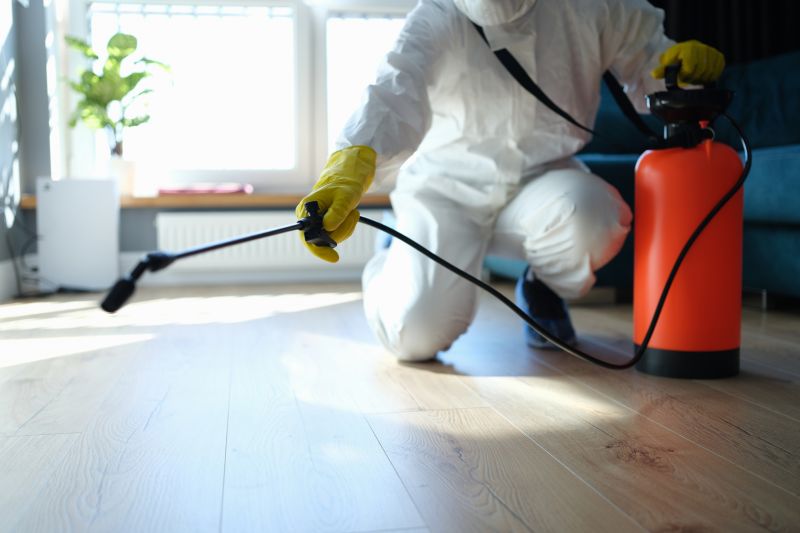 Maintaining fire protection systems is a critical aspect of ensuring safety and compliance in various environments. Proper upkeep involves a range of products designed to detect, suppress, and alert occupants to potential fire hazards. Regular inspections and maintenance of these systems help ensure they function correctly when needed, reducing risks and potential damages. This process includes a variety of components such as fire extinguishers, alarms, sprinkler systems, and associated accessories, each serving a specific purpose within a comprehensive fire safety plan.
Top Overall Option
Multi-Component Fire Safety Maintenance Kit
A comprehensive maintenance kit that includes essential tools and replacement parts for inspecting and servicing fire protection systems. Designed for versatility, it supports routine checks of extinguishers, alarms, sprinklers, and backup power supplies, helping ensure all components function correctly. Its durability and wide range of included items make it suitable for various facility sizes and types.
Types of Products For Fire Protection Maintenances
Fire Extinguisher Inspection Tags
Used to log maintenance and inspection dates, ensuring compliance and timely servicing of fire extinguishers.
Sprinkler System Test Valves
Allow for testing sprinkler system functionality without triggering the entire system, aiding in routine maintenance.
Fire Alarm Testing Kits
Enable testing of alarm sensitivity and proper functioning to ensure alert systems are operational.
Fire Suppression System Cleaning Tools
Assist in cleaning and maintaining suppression system components to prevent blockages and corrosion.
Replacement Nozzles and Heads
Spare parts for sprinkler and fire suppression systems, necessary for repairs and upgrades.
Battery Backup Power Supplies
Ensure fire alarm and suppression systems remain operational during power outages.
Fire Extinguisher Refill Kits
Allow for refilling and recharging portable extinguishers after use or inspection.
System Leak Detection Devices
Identify leaks in sprinkler or suppression systems to prevent water damage and maintain system integrity.
Inspection Mirrors and Flashlights
Facilitate thorough visual inspections of hard-to-reach areas in fire safety systems.
Fire Safety Signage and Labels
Ensure clear identification of fire safety equipment and maintenance points for compliance and safety awareness.
Popular Choices
Widely used for immediate fire suppression in various settings, available in multiple sizes and types.
Central units that monitor and activate alarms, essential for integrated fire safety systems.
Includes heads, valves, and piping used to control water distribution during a fire event.
Detect smoke particles early to alert occupants and activate alarm systems promptly.
Alert occupants to dangerous levels of carbon monoxide, often integrated with fire safety protocols.
Includes mirrors, flashlights, and inspection tags to facilitate routine safety checks.
Illuminate escape routes during power outages or fire incidents, critical for safe evacuation.
Provides clear signage for exits, equipment, and safety instructions to ensure compliance.
Portable hoses used for initial fire suppression efforts, typically installed in key locations.
Help identify leaks in sprinkler and suppression systems to prevent water damage and maintain system readiness.
All-in-one kits designed for routine fire safety system checks and minor repairs.
The selection of appropriate maintenance products depends on the specific requirements of the facility, the types of hazards present, and local safety codes. For instance, fire extinguishers need to be regularly inspected and refilled or replaced as necessary, while alarm systems require testing and calibration to maintain sensitivity. Sprinkler system components should be checked for blockages or corrosion, and backup power supplies must be verified for reliability. Proper maintenance not only extends the lifespan of fire safety equipment but also ensures that systems operate effectively during emergencies.
Investing in quality maintenance products can help facility managers and safety personnel streamline their routine checks and repairs. Many products are designed for ease of use, durability, and compliance with safety standards. Whether it is replacement parts, testing kits, or cleaning tools, having the right equipment on hand facilitates timely maintenance and reduces downtime. Additionally, comprehensive maintenance kits often include multiple components needed for routine inspections, making them a valuable resource for ongoing fire safety management.
Overall, a proactive approach to fire protection maintenance involves utilizing a wide range of specialized products tailored to different system components. Staying informed about available options and understanding the specific needs of your facility can significantly enhance safety protocols. Regularly updating and maintaining fire safety equipment is a key part of responsible facility management and helps foster a secure environment for all occupants.
Key Buying Considerations
- Compatibility with existing fire safety systems and components.
- Compliance with local safety codes and standards.
- Ease of use and clarity of instructions for routine maintenance.
- Durability and resistance to environmental factors such as corrosion or dust.
- Availability of replacement parts and accessories.
- Size and capacity suited to the scale of the facility.
- Battery life and power backup options for electronic components.
- Ease of inspection, testing, and calibration procedures.
- Brand reputation and customer reviews for reliability.
- Warranty and support services offered by manufacturers.
- Cost-effectiveness over the lifespan of the equipment.
- Compatibility with automation or monitoring systems if applicable.
- Storage requirements for maintenance products and spare parts.
- Availability of training or manuals for proper maintenance procedures.
- Environmental conditions of the installation site that might affect product performance.